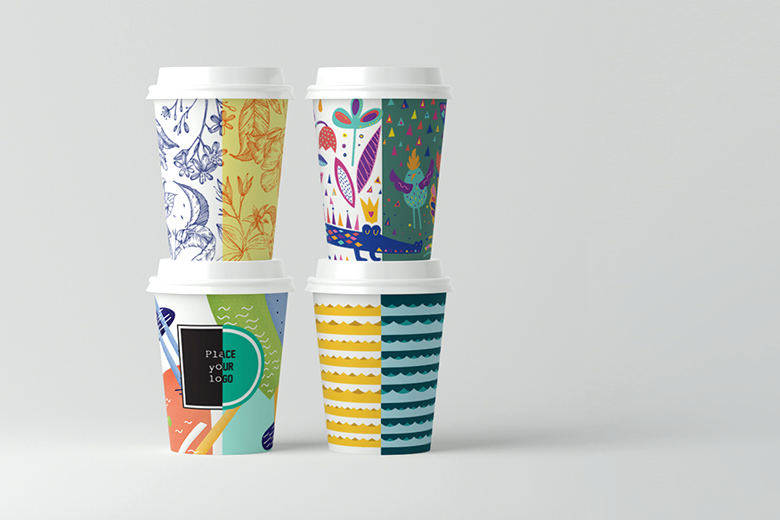
The world of cup design is more than function. It is about expression, lifestyle, and the story behind each piece. Between minimalist and maximalist styles, people find their own identity reflected in the cups they choose.
The Essence of Minimalist Cup DesignMinimalist cup design focuses on clean lines, simplicity, and purpose. Every curve, edge, and surface is carefully considered. The absence of decoration does not make them plain. Instead, it highlights the beauty of form and function together. Minimalist cups are often seen in soft, neutral tones like white, beige, or matte black. They give off a sense of calm and harmony.
A key element in minimalist design is the use of materials. Ceramic, glass, or stainless steel are preferred for their natural look. The finishes are smooth, without patterns or heavy textures. This makes the cups versatile and timeless. People often find that minimalist cups work well in both modern and traditional homes.
Minimalism also reflects a lifestyle. Owners of minimalist cups often appreciate clarity, balance, and reduced clutter. Each cup has a purpose and fits neatly with others. This approach shows that less can truly be more. Rather than overwhelming the senses, the focus is on the enjoyment of a simple beverage moment.
The beauty of minimalist cups lies in their quiet elegance. They serve as a blank canvas, letting the drink itself become the highlight. Their design fits in casual mornings or sophisticated evenings. They are not shouting for attention, but they never go unnoticed.
For people drawn to calmness and order, minimalist cups are a perfect match. Their lasting style ensures they never feel outdated. Instead, they age gracefully, like a classic piece of art that always feels relevant.
Personal Expression Through CupsCups are more than objects; they reflect identity. A minimalist cup signals a love for calm and order. A maximalist cup signals creativity and boldness. Both styles allow people to express who they are without words.
Some people enjoy mixing both styles. They may have minimalist cups for daily use and maximalist cups for special occasions. This combination reflects balance between function and celebration. It shows that personal taste does not have to fit into one category.
Design choices can also tie into memories. A simple white cup might remind someone of peaceful mornings. A bright, patterned cup may connect to cultural heritage or joyful gatherings. These emotional links make each cup special.
In some cases, personalization adds another layer. For example, custom printed cups combine function with individuality. They can take a minimalist form with a simple logo or embrace maximalism with bold colors and designs. This flexibility shows how modern design allows people to blend styles in new ways.
At the end of the day, cup design is about more than drinking. It is about feeling, memory, and expression. Both minimalist and maximalist cups carry value depending on the meaning given to them.
The Bold Character of Maximalist Cup DesignMaximalist cups are about energy, boldness, and creativity. These cups embrace detail, pattern, and strong color choices. Unlike minimalist design, which seeks calm, maximalist design celebrates life through expression. Every surface of the cup can be filled with meaning, from floral patterns to geometric shapes.
Bright hues like red, gold, and emerald green often dominate maximalist designs. These cups carry a sense of drama and luxury. Their goal is not to blend in, but to stand out. They become conversation starters at tables, offering personality beyond function.
Maximalist design also explores cultural and historical references. Some cups carry motifs inspired by traditional crafts, ancient art, or contemporary trends. The richness of detail gives each cup a story. Every piece feels unique, like a collectible that adds depth to the user’s surroundings.
In daily use, maximalist cups make ordinary drinks feel special. Sipping from a cup adorned with vibrant patterns transforms a routine tea or coffee into a delightful ritual. They add vibrancy to gatherings and reflect the individuality of their owner.
While minimalist designs seek timelessness, maximalist cups thrive on variety. Their beauty lies in ever-changing styles. For people who embrace creativity and want their possessions to reflect their personality, maximalist cups are the perfect fit. They remind us that life can be colorful, playful, and bold.
Materials and Finishes That Define the StylesBoth minimalist and maximalist cups rely heavily on materials and finishes. These elements define not only how the cups look, but also how they feel in hand. In minimalist design, materials such as porcelain, glass, and stainless steel dominate. The finishes are matte or glossy but never overly decorative. This enhances the clean, uncluttered nature of minimalism.
On the other hand, maximalist cups explore variety. They use porcelain, clay, enamel, and even mixed materials. Finishes can include metallic touches, hand-painted designs, and glossy textures. The layering of patterns and colors makes each piece appear unique.
Minimalist cups often emphasize functionality. Their smooth surfaces are easy to clean, stack, and store. They fit seamlessly into modern lifestyles that favor efficiency. Maximalist cups, while equally functional, place greater importance on storytelling and detail. Their finishes may be more delicate, requiring extra care, but the reward is the joy they bring in use.
The material choices in both styles also connect to emotional responses. A simple matte ceramic cup feels calm and grounding. A brightly glazed, decorated cup feels lively and uplifting. These responses influence how people experience the act of drinking itself.
The interplay of materials and finishes shows how much design goes beyond appearance. It affects touch, mood, and even cultural identity. Whether one prefers simplicity or ornamentation, the material design of cups shapes the experience in subtle but lasting ways.
The Role of Color in Minimalist and Maximalist CupsColor is one of the most defining aspects of cup design. In minimalist cups, color is used with restraint. Shades are often neutral—whites, soft grays, and blacks dominate. Sometimes, natural tones such as earthy browns or light blues are added. These choices reflect balance and timelessness. They let the drink become the focus rather than the vessel.
In maximalist cups, color is a central theme. Bright, bold, and layered hues create impact. Reds, greens, yellows, and golds appear often. Patterns combine multiple colors, producing vibrant results. The playful use of color reflects joy and expression. It also makes each cup feel like a statement piece.
Minimalist color choices make cups adaptable to many environments. They fit well in a modern kitchen, an office, or a calm café. Their understated beauty does not overpower a space. Maximalist colors, in contrast, demand attention. They transform a table setting into a lively display. For social gatherings, such cups add excitement and energy.
Both approaches to color reveal how people connect with mood. Soft shades in minimalist designs create calm moments, while bold hues in maximalist designs spark joy. This shows that color is not just visual, but emotional. The same drink can feel different depending on the color scheme of the cup.
Color decisions in both styles highlight personality. Minimalist tones often suit people who value subtle elegance. Maximalist hues resonate with those who embrace energy and diversity. In either case, the power of color cannot be overlooked.
Functionality Beyond StyleCup design is not only about appearance; it must also serve daily needs. Minimalist cups are designed for efficiency. Their simple forms make them easy to stack, clean, and handle. They often have uniform sizes, which makes storage simple. The focus is on practical function with elegance.
Maximalist cups balance function with storytelling. They may include handles shaped in unique ways or rims decorated with fine detail. While these features add beauty, they may also require delicate handling. Functionality remains important, but expression often takes priority.
The weight of the cup also plays a role. Minimalist designs tend to focus on lightness and balance. Maximalist cups sometimes carry extra weight due to thicker materials or added decoration. This influences how people feel when they hold and use the cup.
Practical needs differ across lifestyles. A minimalist cup may be better suited for someone who values speed and convenience. A maximalist cup might appeal more to those who enjoy leisurely moments and rituals. Both approaches demonstrate that function and form are deeply connected.
Functionality is not lost in either style. Rather, it adapts to the priorities of the user. Whether one values simplicity or creative detail, a well-designed cup serves as both a practical tool and a reflection of taste.
Cultural Influence on Design PreferencesCulture plays a powerful role in shaping how people see cups. Minimalist designs often align with modern Western and Japanese aesthetics. They highlight the philosophy of simplicity, mindfulness, and balance. This cultural influence appeals to those who value order and calm.
Maximalist cups are influenced by traditions that celebrate decoration. For example, many South Asian, Middle Eastern, and European cultures value detailed craftsmanship. Cups from these traditions often include vibrant colors, gold linings, and ornate patterns. The cultural connection gives them historical and emotional depth.
Minimalism appeals to those who view objects as tools. They prefer function with understated style. Maximalism resonates with those who treat objects as stories. They see each decorated cup as carrying history, art, or personal meaning.
Both design choices are more than personal preference; they are shaped by cultural background. Someone raised in a culture that celebrates bold colors may find minimalist cups too plain. Another from a culture that values simplicity may find maximalist designs overwhelming.
The beauty of design lies in this diversity. Cups are not only drinking vessels but also cultural expressions. They connect people to their heritage and expand appreciation of global artistry.
Sustainability and Ethical Choices in Cup DesignSustainability is becoming a key factor in design. Minimalist cups often embrace eco-friendly materials and long-lasting designs. Their simplicity encourages reuse, reducing waste from disposable options. This makes them popular among environmentally conscious people.
Maximalist cups can also be sustainable when crafted by skilled artisans. Handmade, durable cups reduce reliance on mass-produced products. However, their decorative nature sometimes involves materials or finishes that are less eco-friendly. Ethical production choices matter in such cases.
Consumers today want to know the story behind their cups. Who made them? Were the materials responsibly sourced? Minimalist designs often align with this trend due to their durable and recyclable materials. Maximalist designs shine when they support local crafts and fair-trade practices.
Choosing between minimalist and maximalist cups can therefore also be an ethical decision. Beyond personal taste, people consider the environmental and social impact of their purchase. Both styles can reflect values of sustainability when designed thoughtfully.
ConclusionMinimalist and maximalist cups show two very different ways of thinking about design. Minimalist cups highlight clarity, calm, and timeless function. Maximalist cups celebrate boldness, color, and storytelling. Both approaches are valid, and both add beauty to everyday life.
The choice often depends on lifestyle and personality. Some people want balance and simplicity in their daily routines. Others want energy and creativity in every detail. Both designs connect not just to personal taste, but also to cultural background, emotions, and even ethical values.