Developing Properties Developing Hope
Developing Properties, Developing Hope Blackpool is known for its landmarks—but behind the familiar skyline, there’s a…




Developing Temporary Accommodation: A Practical Response to a Growing Housing Challenge
The Challenge
My Experience
Having worked across social care, housing as a finance professional and have produced financial modelling for more than 30 years, I have been involved in developing and evaluating housing solutions for vulnerable families.
During this time, I worked with temporary accommodation managers to assess different approaches, including rental deposit schemes, landlord guarantee programmes and private-sector leasing arrangements. While these initiatives have helped many families access housing, there remain situations where families aren’t able to access these plans are placed in expensive and often unsuitable hotel or B&B accommodation.
Financial modelling consistently demonstrated that providing good-quality residential homes through private-sector partnerships delivers better outcomes for families while significantly reducing costs for local authorities which I’ll refer to later
Councils the Providers
The challenge is not difficult to understand. Local authorities have a legal duty to house homeless families, yet the supply of suitable housing continues to fall short of demand. The result is that many families are placed in hotels and bed-and-breakfast accommodation at significant cost to the public purse and considerable disruption to family life.
During discussions with temporary accommodation managers, housing teams and finance professionals, I became interested in how different approaches could improve outcomes for families whilst making better use of limited public resources.
We examined a range of solutions as mentioned above but they often trying to persuade greater use of the private rented sector results are quite small. Each of the approaches has their merit, but they are often constrained by the availability of suitable housing and the willingness of landlords to participate.
The underlying problem remains the same: there are simply not enough appropriate homes available. In 2018 councils housed over 81,000 families by 2024 this figure had grown to 128,000. More than 160,000 children are currently living in temporary accommodation, within 74,000 families placed in expensive hotels and B&Bs at significant cost to local authorities.
The Solution
What became increasingly clear from both operational experience and financial modelling was that providing good-quality family accommodation through long-term leasing arrangements offered significant advantages. Families gain access to stable housing; councils reduce their dependence on costly emergency accommodation and providers can operate within a framework of predictable demand.
This is not a short-term issue. Demand for temporary accommodation has risen consistently over recent years and there is little evidence that the pressure on housing services will reduce in the foreseeable future. Whilst the long-term solution must include the development of additional social housing, local authorities need practical solutions today.
What interests me about this sector is that it sits at the intersection of social need and financial sustainability.
Unlike many areas of the private rental market, demand is driven by statutory obligations rather than consumer choice. Local authorities must find accommodation for families who need it. That creates a level of demand that is both identifiable and ongoing.
Equally important is the operational structure. Once properties are leased, day-to-day housing management sits with the local authority or accommodation provider rather than the property owner. The focus becomes the provision of suitable housing stock rather than the continual management challenges often associated with traditional buy-to-let investments.
My objective is to develop high-quality accommodation that meets genuine local need whilst creating a sustainable business model capable of expanding over time.
I believe there is a growing opportunity to bring together private capital, professional expertise and social purpose in a way that benefits all parties involved. Most importantly, it creates homes for families who need them and helps local authorities deliver their responsibilities more effectively.
Example The benefits for a Council
A family placed in hotel or B&B accommodation can cost a local authority approximately £1,600 per month. The same family can often be housed in a leased residential property at a net additional cost of only £200-£300 per month above Housing Benefit or Local Housing Allowance payments. This opens the possibility for Council to save a significant amount of money and an opportunity for the private sector to provide for the properties that the Councils desperately need.
Over the coming months I will be sharing further insights into the sector, the challenges facing local authorities and the practical models that can help address them.
This growing housing crisis presents not only a social challenge but also an opportunity for investors to provide high-quality homes while generating secure, long-term returns.
Happy is discuss this investment opportunity which can provide a sustainable return and assist the wellbeing of others less fortunate than ourselves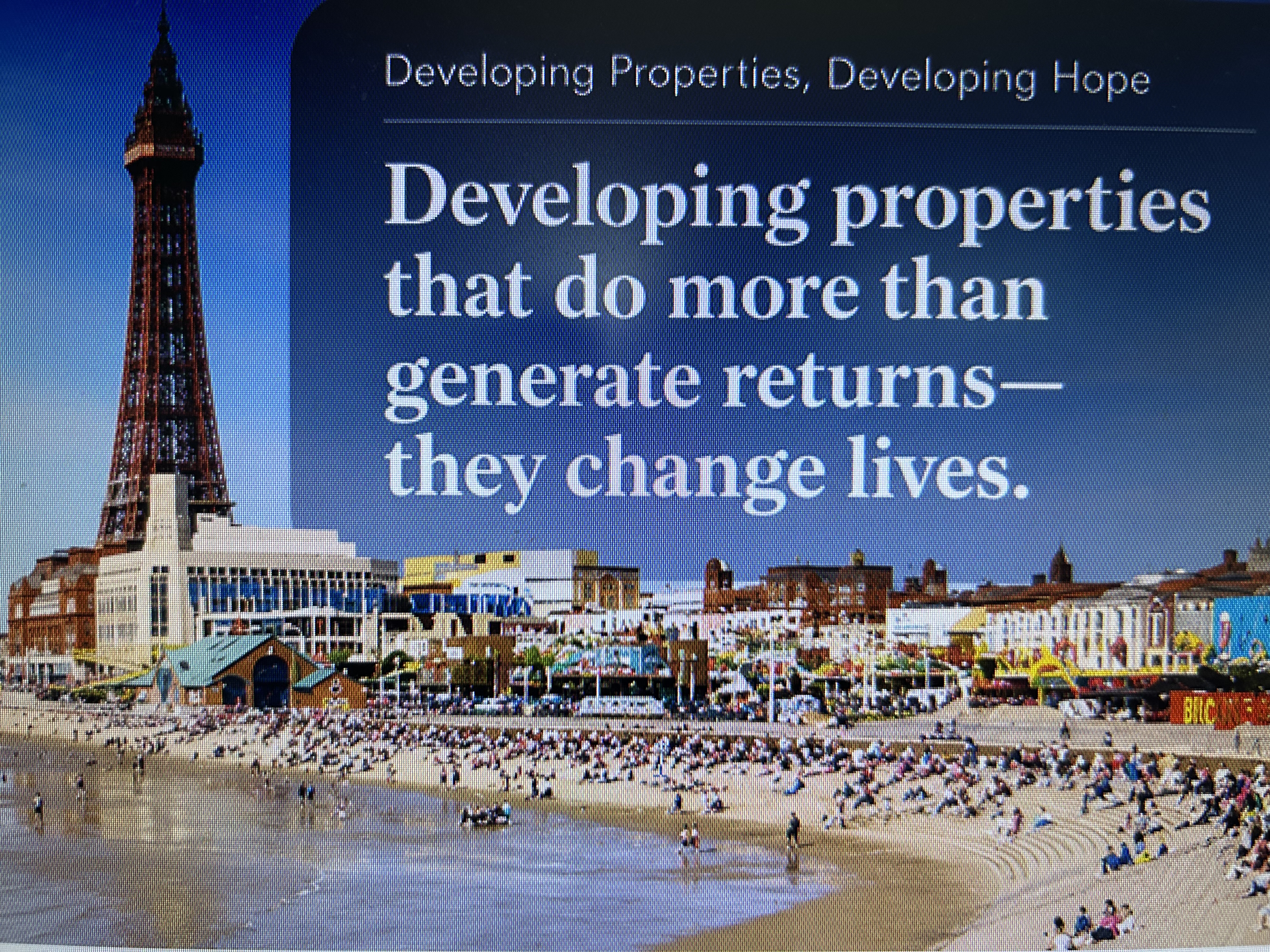
I'm a retired Chartered Accountant but I'm not retired from business.
Through my experiences in both the Public and Private Sector both here and in Canada I've built up…
Post articles and opinions on Professionals UK
to attract new clients and referrals. Feature in newsletters.
Join for free today and upload your articles for new contacts to read and enquire further.