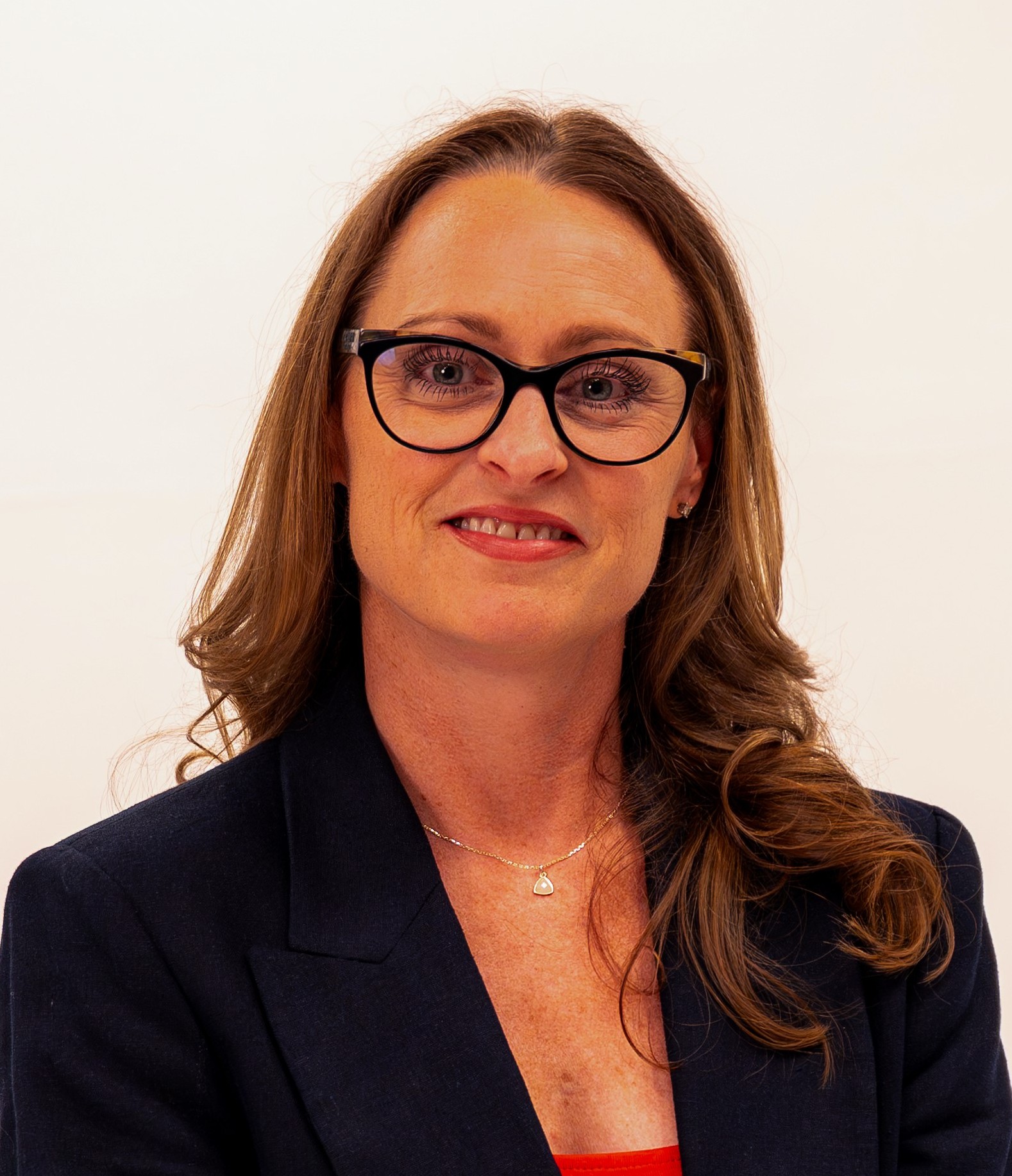
A client said something in a session yesterday that really stayed with me. “I feel like I’m doing two jobs and nobody can see the second one.”
She leads a team of twelve and she’s very good at it. Job one is the role she was hired to do, the meetings and the deadlines and the decisions and the people. Job two is quietly managing her ADHD so nobody notices and that one never makes it onto a job description or into a performance review, even though it takes up a huge amount of her energy every single day.
I know exactly what she means because I lived it for 25 years in corporate environments. From the outside I looked capable and organised. On the inside I was exhausted and spending my weekends recovering from the week.
The second job can look like this:
- Extra preparation before every meeting because you’re terrified of being caught off guard
- Catching up late at night because the day disappeared into firefighting
- Rehearsing conversations before you’ve had them
- Building systems just to function at the same level as everyone else
- Carrying a constant low level worry about the thing you might have forgotten
None of this appears in a project plan, however the signs turn up elsewhere. It could be the colleague who's always the last to leave or the team member who seems fine until the day they suddenly are not. Perhaps it’s that valued employee who hands in their notice, which surprises everyone.
Most of the people doing this have never been diagnosed or have never told anyone, so they keep going because they assume everyone else is managing in exactly the same way.
If you manage people there are a few simple places to start. Ask what helps them work well rather than asking if everything is okay, because let's be honest, most of us say "fine" when asked that! Share agendas before meetings and confirm actions in writing after, so there’s less guessing to do. And be flexible on how and when the work gets done, whether that’s a quiet hour for deep thinking or a deadline confirmed in writing. These are small, inexpensive changes and they take a surprising amount of invisible effort off people.
The second job doesn’t disappear overnight but it gets so much lighter once people understand how their brain works and their manager knows how to have the conversation.
I run workshops and manager training for exactly this, to give teams the language and the confidence to talk about it openly. If it would be useful to talk through what that could look like for your organisation, I’d be glad to. You can book a call here: https://docs.leadwithadhd.com/widget/booking/kFhd2ShMsCDu7sqJYTcA
Sorcha Duignan
NTA Certified Advanced ADHD Coach & Consultant | Lead with ADHD